![U.S. Market Close data snapshot for 2026-09-04: Dow Jones Industrial Average 53,414.25 (-0.51%), S&P 500 7,718.6 (-0.38%), Nasdaq Composite 26,506.99 (-0.29%), biggest moves we track Sandisk (+11.90%), Micron Technology (+6.10%), Tesla (-5.92%) [en].](https://fermata.it.kr/wp-content/uploads/2026/09/us_2026-09-04_editorial_en-487d3a8db65e.png)
Sandisk up 11.9% as memory chips shrug off a hot jobs report that sank the indexes
Indexes down, memory up
All three major U.S. indexes closed lower on Friday, Sept. 4. The Dow gave up 0.51% to 53,414.25, the S&P 500 lost 0.38% to 7,718.60 and the Nasdaq Composite eased 0.29% to 26,506.99.
The headline moves were small. What sat underneath them was not.
The iShares Semiconductor ETF (SOXX) rose 3.52% on a day when every headline index finished in the red. Apple dropped 2.51%.
Roughly six percentage points separated the two, and one data release opened the gap.
Payrolls at three times the estimate
The U.S. economy added 162,000 jobs in August. Economists had looked for about 53,000, and July’s negative print was revised into positive territory.
The unemployment rate held at 4.1%.
The Federal Reserve meets Sept. 15-16 with the funds rate at 3.50% to 3.75%. After the release, CME FedWatch showed the odds of a September hike at 60.2%, up from 49.4% a day earlier.
Yields followed. The two-year Treasury yield rose to 4.39% and the 10-year to 4.78%.
The front end moved more, which is what a market repricing a meeting two weeks out looks like.
Chips rose while rates did
Textbook logic says long-duration equities fall first when yields rise. Friday did not follow the script.
Sandisk closed at $1,740.00, up 11.90%, the biggest move among the stocks we follow. Micron Technology gained 6.10%.
Intel added 4.51% and AMD rose 4.69%. Taiwan Semiconductor Manufacturing closed 2.85% higher.
The whole sector did not participate. NVIDIA rose 0.84% and Broadcom rose 0.21%.
The bid was in memory and storage rather than in AI logic, and that distinction defines the session.
What is repricing memory
The stock had barely moved a day earlier, closing 0.10% higher. No company filing arrived in between.
What changed was the price outlook. KeyBanc expects third-quarter DRAM contract prices to rise 15% to 20% and NAND to rise 30% to 40%, with roughly another 15% in the fourth quarter.
Demand evidence landed in the same week. Dell Technologies reported an AI server backlog of $95 billion, up from $51.3 billion a quarter earlier. Orders are accumulating faster than machines ship, and memory is a large share of that bottleneck.
Dell Technologies added 1.50% on Friday.
This is a supply-allocation story more than a demand story. The same fabs are steering capacity toward HBM for AI data centers, which leaves less conventional DRAM to sell.
The other side: Tesla and Apple
Tesla fell 5.92%, the steepest decline among the stocks we follow.
The company showed the Cybercab in Austin on Thursday night. The event was invitation-only, it was not streamed, and Elon Musk did not appear. Pricing, production cadence and regulatory approval were all left out.
On Friday morning the National Highway Traffic Safety Administration opened an audit query into how the company self-certified a vehicle with no steering wheel, pedals or mirrors.
Apple dropped 2.51% on reports of production problems with its planned foldable iPhone. Microsoft lost 2.04% and Alphabet 1.11%.
That is where the index damage came from. When the heaviest weights fall, semiconductors cannot carry a cap-weighted index on their own.
What repriced fastest
Gold settled 1.38% lower at $4,429.80. Spot gold was down more than 2% during the session, near $4,376 an ounce.
Bitcoin slipped below $80,000, losing $1,430 in the five minutes after the payrolls print. It had traded as high as $82,240 earlier in the day and reached $78,649.
Coinbase dropped 4.18%, giving back much of a 10.14% gain from the prior session.
Assets that pay no yield reprice first when the rate path shifts. Equities were slower and smaller.
Russell 2000 rose 0.25%, the only index of the four to finish higher.
What to check next session
One major print stands between here and the Fed meeting: August CPI on Sept. 11.
A hot number on top of hot payrolls pushes hike odds further above 60%. A soft one hands Friday’s chip rally a second argument.
Second, whether the memory price forecasts turn into signed contracts. Friday’s move came from an outlook, not from results.
Third, the read-across to Seoul. Samsung Electronics and SK Hynix sit inside the same memory cycle, and Monday’s Korean session is the first chance to see whether memory names there track U.S. memory names rather than the index.
Fourth, how far the NHTSA review of the Cybercab extends beyond self-certification.
Four things worth noting
How memory prices are actually rising
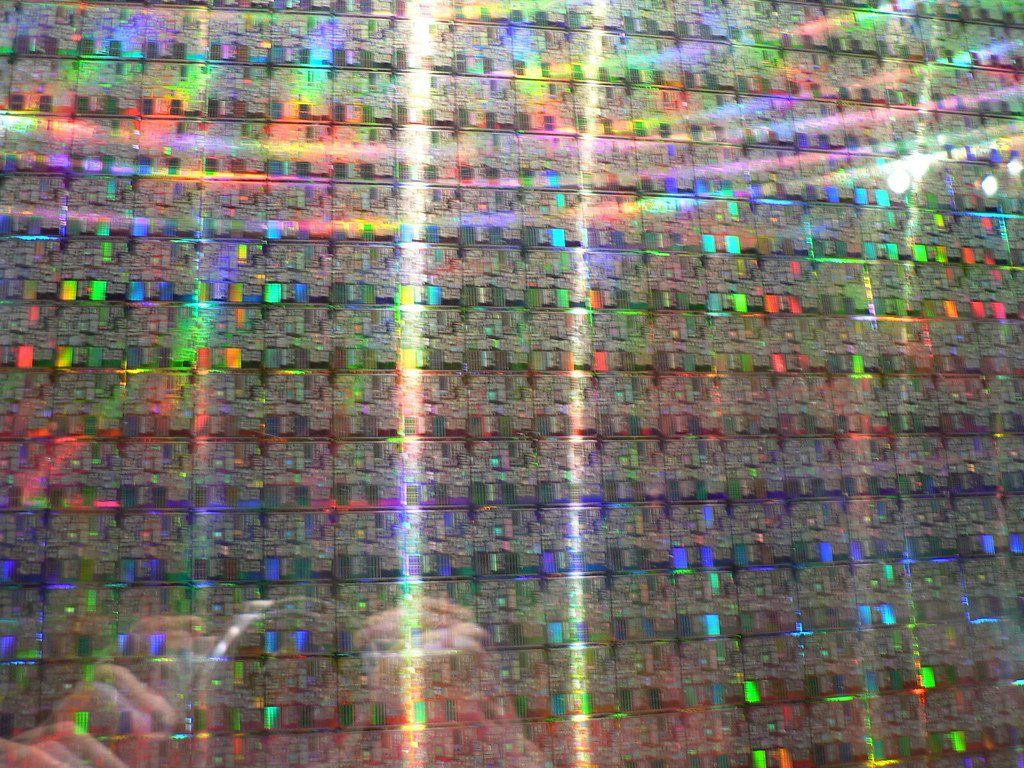
Photo: naotakem / Flickr (BY 2.0)
Friday’s memory rally did not come from earnings. None were released.
It came from the price outlook. KeyBanc expects third-quarter DRAM contract prices up 15% to 20% and NAND up 30% to 40%.
Memory has always been a cyclical business, but this leg is unusual in its cause. Supply is not shrinking; it is being reallocated. Fabs are pushing wafers toward HBM for AI data centers, which leaves less conventional DRAM and NAND for everyone else.
Allocation-driven price cycles do not break until new capacity runs. They also unwind quickly if forecasts fail to show up in signed contracts.
The number to watch is the quarterly contract price, not the forecast.
| Sandisk | +11.90% |
| Micron Technology | +6.10% |
| iShares Semiconductor ETF | +3.52% |
| Taiwan Semiconductor Manufacturing | +2.85% |
| NVIDIA | +0.84% |
What Nvidia bought

Nvidia agreed to acquire Hugging Face for $12.9 billion. The agreement was signed Sept. 2 and announced the following day.
Hugging Face does not make chips. It runs the platform where open-source models and datasets are hosted and shared, with three million models and roughly 18 million developers on it.
The buyer sells silicon; the target is where the people who use silicon gather.
The share reaction was muted. NVIDIA rose 0.84%, since $12.9 billion is small against this balance sheet and the deal adds no immediate revenue.
The names it did lift were memory and storage. A confirmation that AI build-out continues lands hardest on the parts that fill the racks.
| Target | Hugging Face |
| Price | $12.9 billion |
| Platform | 3M models, ~18M developers |
| NVIDIA close | $230.36 |
| NVIDIA change | +0.84% |
What the Cybercab did not answer

Photo: Jamie Antoine / Unsplash
Tesla closed at $354.08, down 5.92%. The previous session it had gained 5.42%.
Start with how the reveal was staged. Invitation-only, no livestream, and no appearance from the chief executive.
Then what was missing from it: price, production cadence, and the regulatory path. An autonomy event without a unit count or a start date cannot settle expectations.
The next morning NHTSA opened an audit query into the company’s decision to self-certify a vehicle built without a steering wheel, pedals or mirrors.
Autonomy is decided by regulators, not by launch events. Friday was the market confirming that order.
| Tesla close | $354.08 |
| Tesla change | -5.92% |
| Prior session | +5.42% |
| Event | Cybercab reveal, Austin |
| Regulator | NHTSA audit query |
What repriced first
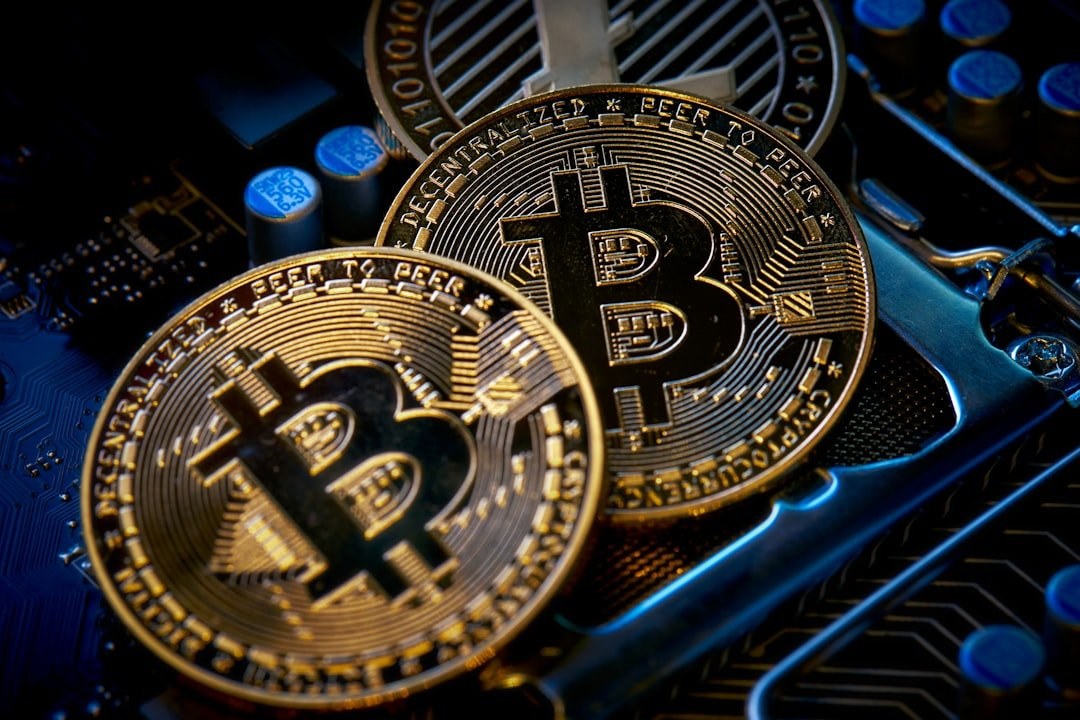
Photo: Michael Förtsch / Unsplash
Payrolls landed at 8:30 a.m. Eastern. The speed of the response varied by asset.
Bitcoin lost $1,430 in five minutes, sliding from $82,240 earlier in the day to as low as $78,649.
Gold was down more than 2% intraday. Equities moved later and by less.
Assets that pay no yield are the most sensitive to a change in the rate path. Coinbase fell 4.18%, which is the equity version of that same reaction.
These moves rarely persist. Once the Sept. 15-16 decision is known, the probability math behind them is erased in a single session.
| Bitcoin | below $80,000 |
| Pre-report high | $82,240 |
| Session low | $78,649 |
| Coinbase | -4.18% |
| Gold | -1.38% |
Fermata’s Take
Two stories ran through the same session.
One was rates. A single jobs report moved September hike odds more than ten points, and metals and crypto repriced within minutes.
The other was memory, where contract prices are rising for reasons that have nothing to do with the Fed. That is why chips could ignore the bond market on a day when little else could.
An index is the average of those two stories.
A 0.38% decline holds both an 11.90% gain and a 5.92% loss inside it. On a day like this the index number tells you very little.
What moved what is the part worth keeping. NAND pricing moved memory, and a regulator moved Tesla.
Both are still in place next week.
Sources
- Yahoo Finance Stock Market Today (Sept. 4, 2026): S&P 500 edges lower after key jobs report
- TheStreet Stock Market Today (Sept. 4, 2026): Yields jump, stocks fall after jobs report surprises to upside
- Yahoo Finance Jobs report live updates: US adds 162,000 jobs in August, blowing past estimates
- Charles Schwab Hot Jobs Report Hurts Stocks, Lifts Rate Hike Odds
- The Motley Fool Why Sandisk Stock Rallied Today
- Investing.com Why is SanDisk stock surging today?
- 24/7 Wall St. SanDisk Rises 8%, Micron Gains 5%: Is the NAND Pricing Cycle Still Accelerating?
- 24/7 Wall St. Intel Climbs 4%, AMD Rises 3%, NVIDIA Ticks Up as Chip Stocks Shrug Off Rising Rate Hike Odds
- Converge Digest Dell's AI Server Backlog Surges to $95 Billion as Demand Accelerates
- TechCrunch Nvidia confirms it will buy Hugging Face for $12.9 billion
- CNBC Tesla's stock drops as Cybercab update 'underwhelms,' NHTSA probe
- The Motley Fool Why Apple Stock Sank on Friday
- CNBC Gold slides more than 2% after robust U.S. payrolls boosts rate hike bets
- CoinDesk Bitcoin price news: BTC tumbles below $80,000 after strong August jobs numbers